Last Saturday I spent exactly 2 hours scrolling through three streaming apps before deciding on a single 90‑minute documentary. That’s the new norm: the choice overload, the instant‑access promise, and the way a night in can replace a night out.
From “out‑of‑town” to “in‑the‑living‑room”
In 2018 the average UK household owned two streaming subscriptions; by 2024 the figure has risen to four, according to a Ofcom survey. Each service adds roughly 15 new titles per month, meaning a typical weekend offers more than 60 fresh options. The result? Families and friends now schedule “binge‑sessions” instead of brunches or cinema trips.
My cousin’s weekend used to start with a 10 am hike and end with a dinner out. This year he swapped the hike for a 10 am “watch‑party” of a new series on a shared account, then ordered pizza at 8 pm. The shift isn’t just about convenience; it’s about the economics of time. A cinema ticket costs £12, a meal £30, and a streaming night is essentially free after the monthly fee.
How algorithms rewrite the agenda
Recommendation engines now act as personal curators. After I finished a true‑crime series, the platform queued three related documentaries, each with a runtime of 45–60 minutes. The algorithm’s precision meant I didn’t waste time searching, and the whole block fit neatly into a Saturday afternoon.
However, the same precision can trap users in echo chambers. If the system keeps serving crime dramas, it subtly nudges the weekend schedule toward the same genre, limiting exposure to other cultural experiences. For people who thrive on variety, the algorithmic bias can feel restrictive.
Social rituals reshaped
Group chats now include “What’s on Netflix tonight?” polls. In my own family group, we vote on a film at 7 pm, then simultaneously press play on separate devices. The shared experience is real, but the physical gathering is absent. According to a 2023 YouGov poll, 38 % of respondents said they preferred virtual watch‑parties to meeting in a pub.
That shift has a side‑effect: the traditional Saturday night out has lost some of its draw, especially among 25‑ to 35‑year‑olds who value low‑cost entertainment. The trade‑off is a quieter evening, but also a reduction in spontaneous social interaction.
Balancing binge with well‑being
Research from the University of Manchester shows that binge‑watching longer than three episodes in a row can increase fatigue by 12 %. To counteract this, many platforms now suggest “Take a break” after a set number of minutes. I’ve started setting a timer for 90‑minute blocks, then stepping outside for a brief walk.
It’s not all doom and gloom. The flexibility allows parents to plan educational content for kids without the need for a costly DVD library. A single subscription can provide age‑appropriate series, language learning shows, and documentaries, all under one roof.
Connecting the dots to broader entertainment
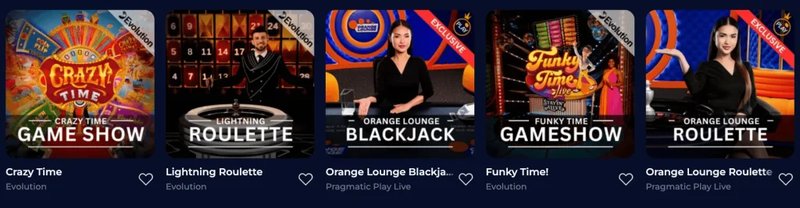
While streaming reshapes weekend plans, it also intersects with other online pastimes. For instance, the rise of streaming has coincided with a surge in online gaming and virtual casinos, where users seek instant thrills after a binge. A quick search for “ninewin casino” reveals a platform that blends the convenience of digital access with the excitement of gambling, illustrating how the same technology that delivers a drama series can also host a night‑time gamble.
If you’re after a similar instant‑access thrill, check out ninewin casino.
Looking ahead
The next wave may involve hybrid experiences: live‑streamed concerts synced with home‑theater setups, or interactive series where viewers choose plot outcomes in real time. As bandwidth improves and 5G rolls out, the line between “going out” and “staying in” will blur further.
For now, the weekend agenda is a negotiation between algorithmic suggestions, personal preferences, and the desire for social connection. The key is to use the abundance of content deliberately, rather than letting it dictate the schedule.